
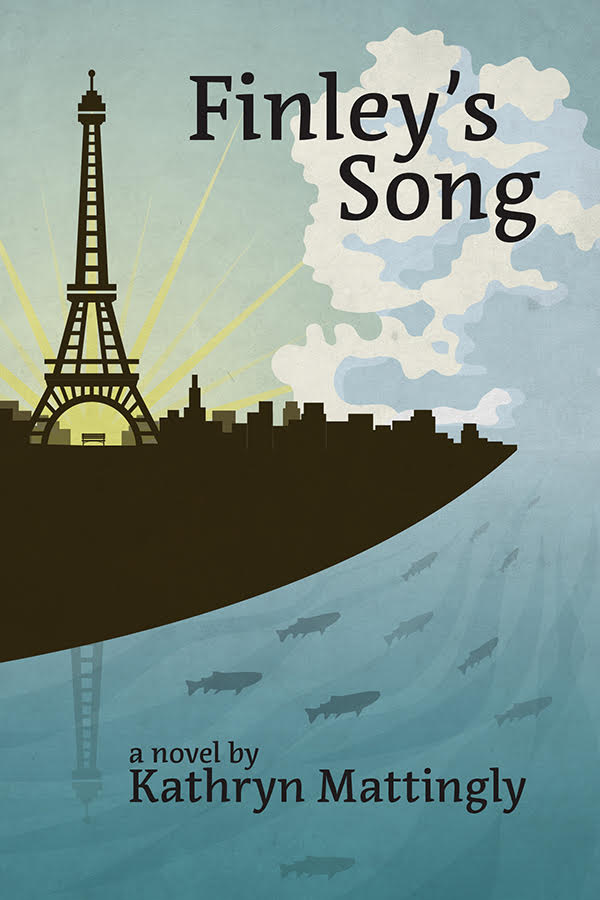
Finley’s Song, my sixth novel, has won two awards: BookFest and Literary Titan, whose Editor In Chief best describes what the book is about:
Literary Titan Book Review
From the first page, Finley’s Song drew me into a story that mixes music, grief, and the stubborn hope that follows loss. At its heart, the book tells the story of Finley, a pianist whose husband dies in a sudden accident, leaving her to raise their son, Max, while stumbling through her own guilt and despair. The novel moves between their shared silence at home, their escape to Paris, and the healing they cautiously piece together through new connections, old memories, and the enduring pull of music. I liked how much this is not just Finley’s story but Max’s too, a portrait of a mother and son mourning in parallel yet trying to keep each other afloat.
The writing had me hooked and sometimes unsettled in the best way. Kathryn Mattingly paints grief with raw strokes, never dressing it up, never trying to make it neat. Some passages felt like a gut punch, especially when Finley blames herself for Simon’s death. The guilt is heavy, almost suffocating, and I could feel the weight of it. But then there are these glimmers, moments with Max by the river, or Finley staring at the Eiffel Tower, that break through like sunlight. I found myself both aching and rooting for them, wanting them to reach those fragile pockets of beauty again. The language isn’t flowery for the sake of it. It’s direct yet tender, and it left me pausing more than once just to sit with the feeling it stirred.
Sometimes Finley’s voice frustrated me. Her self-blame circles back so often that I caught myself whispering “let yourself breathe.” Yet, that honesty made her real. People stuck in grief do repeat themselves, and the author didn’t shy away from that truth. I also found Max’s perspective refreshing and painfully accurate. His teenage awkwardness, his longing for his father, his quiet way of observing the world, they rang true. If anything, his sections gave the book a balance it needed, grounding Finley’s spiraling thoughts with the bluntness of youth. That duality is what made the story so enjoyable for me.
Finley’s Song is filled with small, luminous moments that feel earned. I’d recommend it to anyone who wants to read about loss in a way that doesn’t smooth the edges but instead embraces the messiness of it. Fans of books like Little Fires Everywhere or Where the Crawdads Sing will find a similar mix of emotional depth and vivid sense of place, but Finley’s Song feels more personal and raw, like a private journal you’ve been allowed to read.
Rating: 5
Thomas Anderson, Editor In Chief

 Kathryn Mattingly